
Fashion and Textile Studies
scholarly, object-centered
Master of Arts (MA)
Are you interested in bringing your original fashion history research to the field? Do you view present and past fashion shifts with a critical eye? Would you welcome the opportunity to interpret historic materials for the public? Does preserving textile cultural heritage feel like an important mission to you? This program provides the training, resources, and contacts you will need to advance in these areas.
Who Should Apply
Anyone interested in working with textiles or costume as curators, conservators, or educators should apply. The program is looking for those who are passionate about the hands-on study of fashion and textiles and want a career in this expanding field.
Number of Credits
50
Duration of Program
Two years of full-time study, four years part-time; day and evening classes
Fashion and Textile Studies Experience
Study the historical and cultural significance of fashion and textiles. You will be rigorously trained to approach costume and textile history from various traditional and innovative perspectives. Courses that demand in-depth original research culminate in publishable papers that prepare students for professional careers.
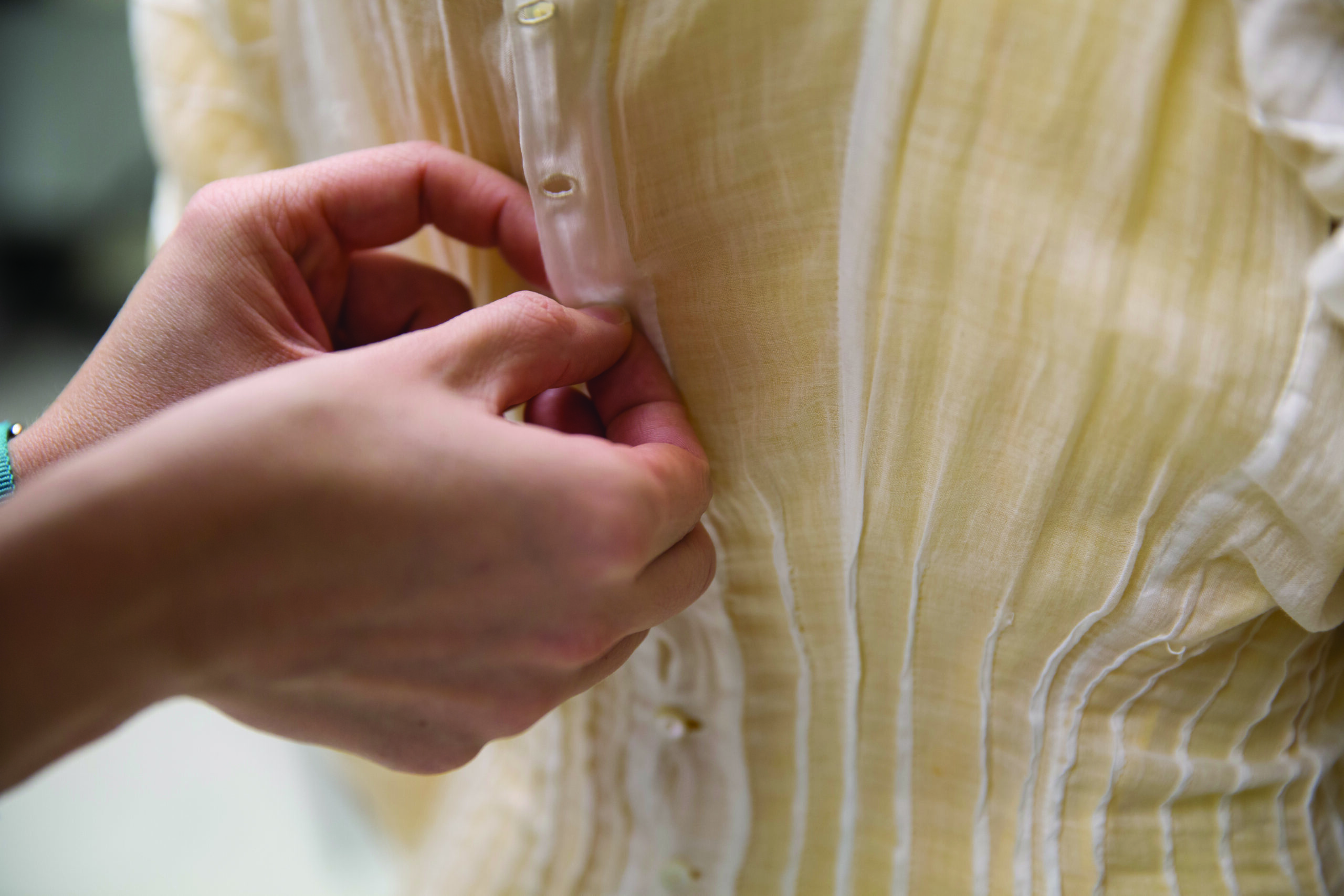
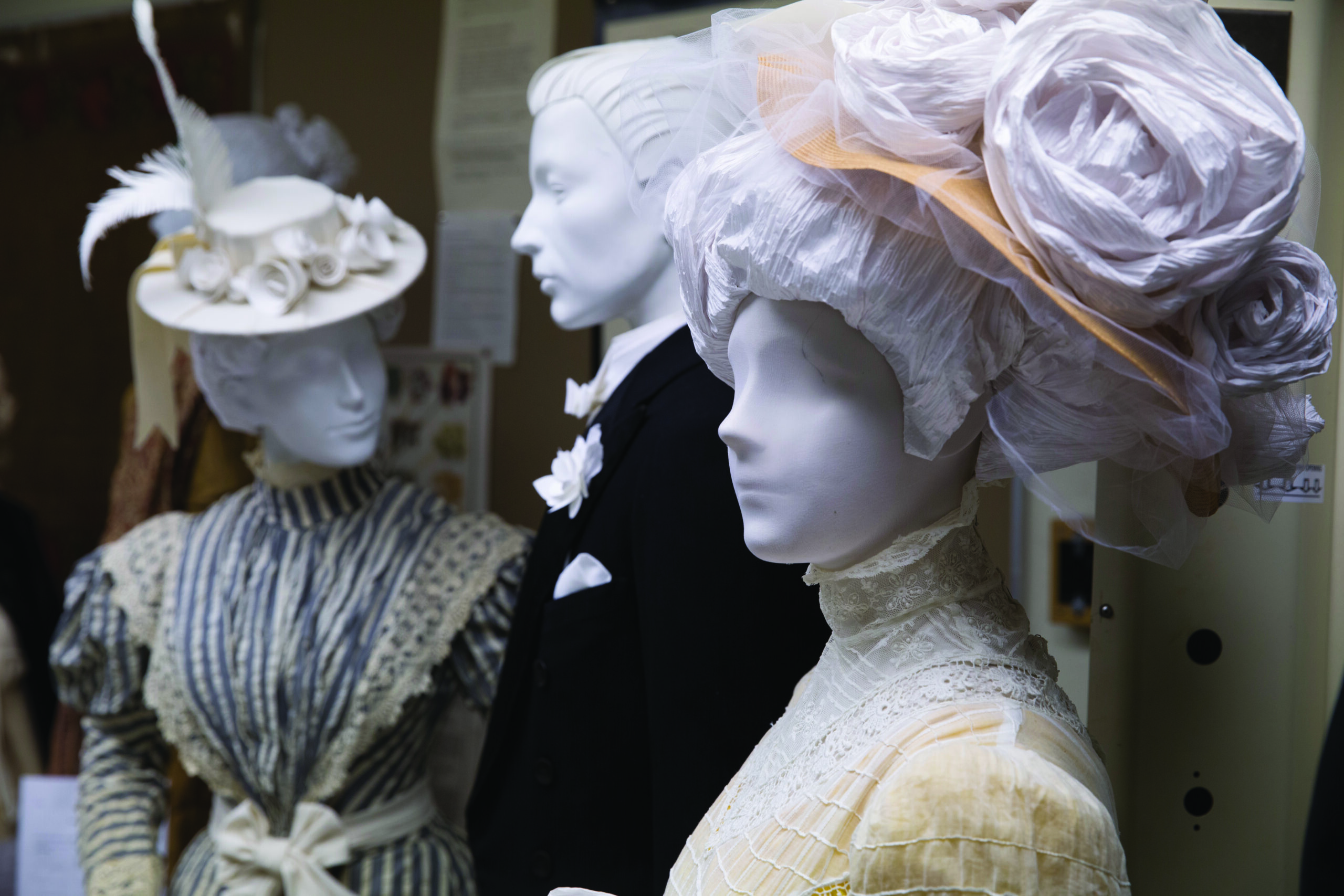
Apply theory to practice. Receive hands-on training in the analysis, conservation and storage of textile and costume materials, and in collections management and exhibition planning and design. You will learn a wide range of practical skills, such as identifying fibers and weave structures, caring for textiles, and techniques for preparing and dressing a mannequin for display.
Plan and organize an exhibition. Working in collaboration with fellow students, you will conceive and curate an exhibition in The Museum at FIT, handling every aspect of the exhibition from research, selection, and presentation of objects to publications, publicity, and the opening reception.
Research an in-depth thesis and participate in a symposium. All students complete original groundbreaking work for their MA qualifying papers and have the opportunity to participate in the annual Fashion and Textile Studies Symposium. Presenting your research findings at a public symposium provides the opportunity to make personal connections with museum professionals, alumni, and the general public.
Enjoy intimate access to extraordinary on- and off-campus resources. The Museum at FIT is among the country’s most comprehensive repositories of costume and textiles, and the college’s Gladys Marcus Library is home to Special Collections and FIT Archives. These resources, along with those of the great cultural institutions of New York City, offer a wealth of opportunity for study and inspiration.
More About the Program
Areas of Study
History of fashion, history of textiles, collection management, fashion theory, museum theory and curatorial practice, conservation, costume and textile mounting
INTERNSHIPS
Students complete a minimum of 80 internship hours at an approved venue. Past internship sites include The Museum at FIT, The Metropolitan Museum of Art Costume Institute; Christie’s and Sotheby’s auction houses; Cooper Hewitt, the Smithsonian Design Museum; the Museum of the City of New York; the Jewish Museum; the American Museum of Natural History; and the Museum of Fine Arts in Boston.
MASTER’S THESIS
The qualifying paper may take the form of a scholarly research paper, a proposed exhibition, or a fully documented conservation treatment.
PROGRAM OBJECTIVES
Leave prepared to enter the museum field as a curator, conservator, collections manager, or educator; teach fashion and textile history; or work in auction houses, vintage dealerships, or fashion and textile archives.
PROFESSIONAL MUSEUM EXHIBITION
Students work in teams to organize and curate an exhibition at The Museum at FIT. With the guidance of faculty and museum staff, they mount a fashion studies-related exhibition that garners professional attention and significant press coverage.